- News
- Energy Modernization Takes More Than Subsidies.
Energy Modernization Takes More Than Subsidies.
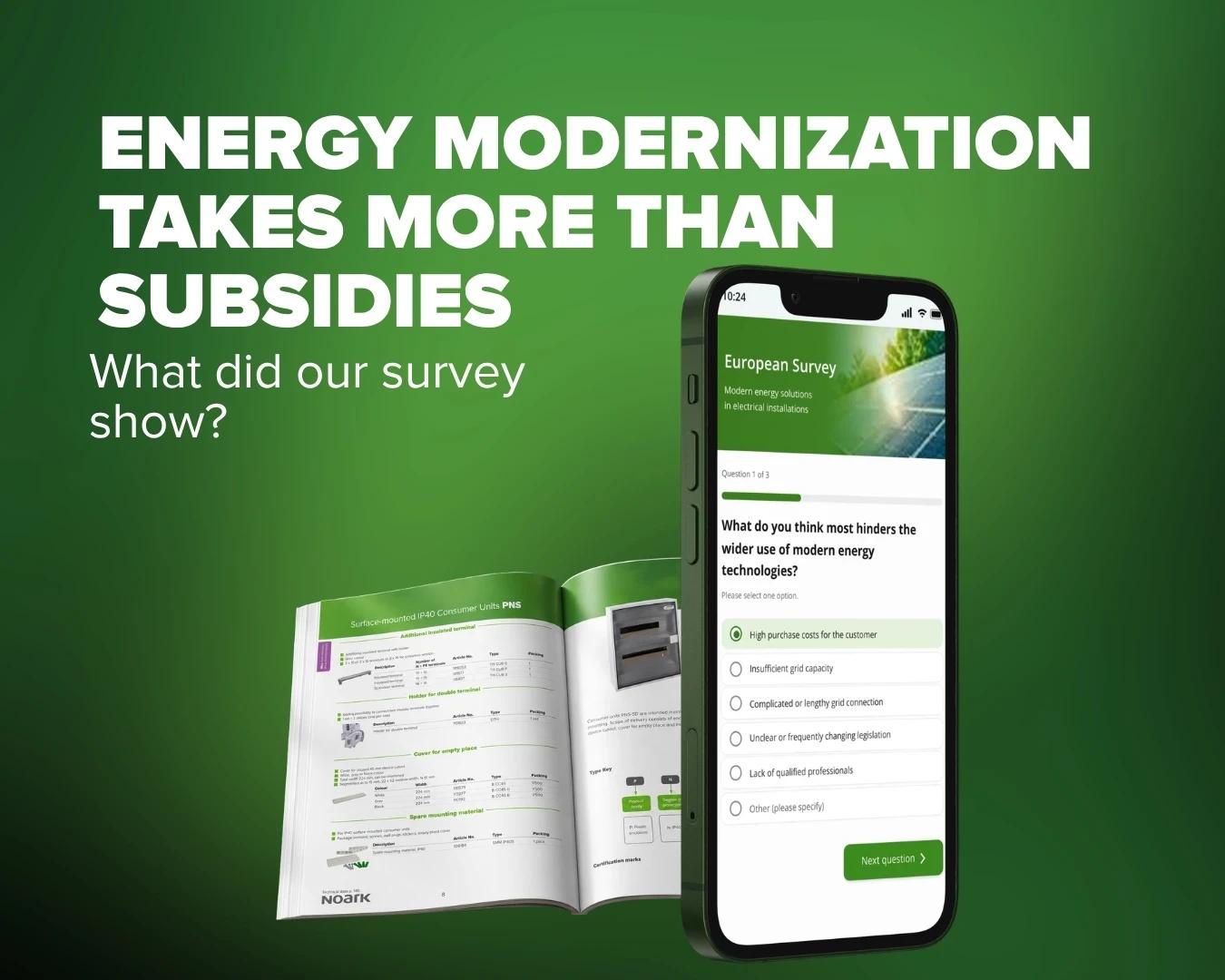
The development of Europe’s modern energy sector depends on more than access to funding. It also requires stronger distribution grids, simpler grid connection procedures and clear regulatory requirements. These are the findings of a NOARK Electric survey comparing the experiences of electrical installation professionals in nine European countries. Both the barriers to adopting new technologies and the recommended solutions vary between countries. A key finding is that professionals prioritize simpler grid connection procedures and clearer regulatory requirements over financial assistance to encourage wider adoption.
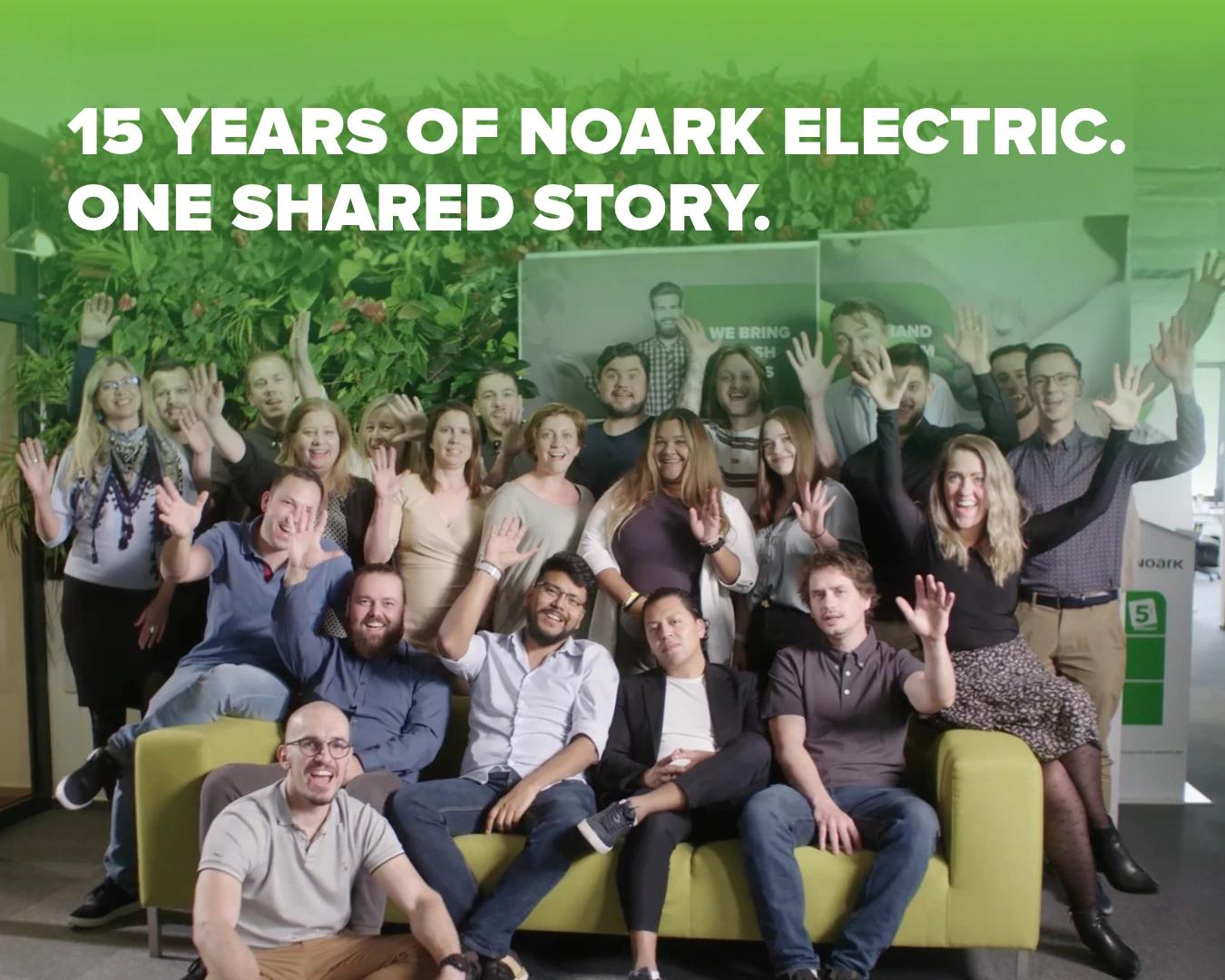
Electrical device manufacturer NOARK Electric conducted the survey to mark fifteen years since entering the European market. The survey examined changing customer requirements for electrical installations and the barriers to adopting modern energy technologies across Europe. It also explored measures that could encourage wider use of technologies such as photovoltaics, battery storage, electromobility and smart energy management. Hundreds of electrical installers, designers and inspection technicians from Czech Republic, Slovakia, Poland, Romania, Bulgaria, Latvia, Lithuania, Estonia and Serbia shared their experiences.
Projects Need to Be Funded—and Delivered
Across the nine European countries, professionals most often identify upfront costs for customers as a barrier to adopting modern energy solutions. Almost half of respondents (46%) selected this option. Yet when asked what would encourage wider adoption, they recommend simpler grid connections and clearer regulatory requirements more often than financial assistance. Simpler and faster grid connection procedures were selected by 45% of respondents, while 43% chose more stable legislation and clearer regulatory requirements. Financial support or tax incentives for households and businesses ranked third, at 38%.
„The survey of professionals and installers shows that households and businesses need to be able to both pay for modern electrical technologies and put them into use. If grid connection procedures or uncertainty about installation requirements stand in their way, financial support alone will not remove these obstacles." says Karel Havlíček, Marketing Regional Manager at NOARK Electric.
Similar Barriers, Different Priorities
Answers to the same two questions show how professionals’ priorities differ between countries:
-
Czech Republic and Slovakia share concerns over investment costs, but the recommended solutions differ. Around three in five professionals in both countries identified high upfront costs as a barrier to adopting modern energy technologies. In Slovakia, financial support or tax incentives were the top recommendation for encouraging wider adoption (59%). In Czechia, clearer regulatory requirements (45%) and simpler grid connections ranked slightly ahead of financial assistance.
-
In Poland, grids and regulation take priority. More than half of Polish respondents (53%) identified insufficient grid capacity as a barrier to adopting modern energy technologies. More stable legislation and clearer regulatory requirements top the list of recommended measures, followed by financial assistance. Other recommendations include simpler grid connections and better customer awareness.
-
In Romania, strengthening the grids comes first. Insufficient grid capacity was identified as a barrier to adopting modern energy solutions by 59% of professionals. The same proportion recommended more investment in strengthening the grids. Simpler grid connections and clearer regulatory requirements came next. Financial assistance for customers therefore ranked below improvements to the conditions needed to carry out projects.
-
In Bulgaria, grid connection is the main obstacle. Complex or lengthy procedures for connecting new generation sources and technologies to the grid were identified as a barrier to wider adoption by 43% of respondents. Their recommendations reflect this: simpler and faster grid connections top the list of measures that would most help energy modernization.
-
In the Baltic states, a shortage of skilled workers is the main barrier. Across Latvia, Lithuania and Estonia, a lack of qualified professionals is the most frequently cited obstacle to adopting modern energy solutions (56%). The top recommendation is to help customers better understand the available technologies and their benefits (37%). Financial support and clearer regulatory requirements follow closely. Alongside workforce shortages, professionals therefore highlight the need to explain the benefits of these technologies more clearly to customers.
-
In Serbia, professionals primarily call for clearer regulatory requirements. Unclear or frequently changing legislation and technical requirements are the most frequently cited barrier to adopting modern energy solutions among Serbian respondents. To encourage wider adoption, they therefore recommend more stable legislation and clearer regulatory requirements above all, followed by simpler grid connections and financial assistance.
„Over NOARK Electric’s fifteen years in Europe, we have gained extensive experience by working with electrical installers, designers and inspection technicians who use our devices in practice. Their feedback helped shape this survey. Their answers show that support must address what is actually holding projects back in each country. When planning that support, we therefore need to look at the whole process, from the initial investment plan to a working project.” says Tomáš Buzrla, Executive Director of the Czech Modern Energy Association, who provided expert and methodological support for the survey.
Future Upgrades Start with Today’s Design Regulation and distribution grids are not the only factors that enable the use of new technologies. The design of the electrical installation itself also matters, as changing customer requirements place new demands on it. When asked how requirements had changed over the past fifteen years, professionals most often cited photovoltaics (69%), followed by electromobility and smart solutions. Alongside electricity consumption, they are increasingly dealing with on-site generation and vehicle charging.
Decisions made during construction or renovation today determine how easily photovoltaics or vehicle charging can be added in the future. Yet a quarter of respondents identify customers’ reluctance to plan installations with future expansion in mind as a barrier to adopting modern energy solutions.
Households and businesses do not need to buy all the equipment straight away, but they should understand how today’s design will affect their options for future expansion. The professional who designs or installs their electrical system has an important role to play in explaining this. Based on the survey, we are therefore considering further investment in training for our partners. Alongside technical knowledge, we would like the training to help them explain to end customers why it is worth preparing early for additional technologies.” concludes Karel Havlíček.

